
 https://sammechanical.com/wp-content/uploads/2026/04/Overcoming-Winter-HVAC-Issues-The-Impact-of-Snow-and-Ice-on-Your-HVAC-System.jpg
1250
2000
AbstraktMarketing
/wp-content/uploads/2024/01/sam-logo-crete-300x154.png
AbstraktMarketing2026-04-02 12:54:472026-04-02 12:54:49Overcoming Winter HVAC Issues: The Impact of Snow and Ice on Your HVAC System
https://sammechanical.com/wp-content/uploads/2026/04/Overcoming-Winter-HVAC-Issues-The-Impact-of-Snow-and-Ice-on-Your-HVAC-System.jpg
1250
2000
AbstraktMarketing
/wp-content/uploads/2024/01/sam-logo-crete-300x154.png
AbstraktMarketing2026-04-02 12:54:472026-04-02 12:54:49Overcoming Winter HVAC Issues: The Impact of Snow and Ice on Your HVAC SystemWhy HVAC Troubleshooting Matters Before You Call
HVAC troubleshooting is often about eliminating the most common causes before assuming equipment failure. Power interruptions, airflow restrictions, and control settings account for a large percentage of service calls, especially during seasonal transitions. A few minutes of basic checks can save time, reduce downtime, and prevent unnecessary repair costs.
It also helps you avoid repeat issues. Continually resetting a system that shuts down or ignoring early warning signs can mask deeper problems and lead to more expensive repairs later. Whether you’re responsible for a home or a commercial building, understanding what to check before calling an HVAC technician helps you communicate more clearly and act more quickly when professional help is needed.
Simple HVAC Fixes Homeowners Can Safely Try
Residential HVAC systems are designed to be accessible, but that doesn’t mean every issue requires professional tools. Many of the most common problems homeowners experience stem from airflow, power, or control settings rather than mechanical failure. Before assuming the worst, these HVAC troubleshooting steps are worth checking.
Start with airflow and filtration. Dirty or clogged filters are one of the most common causes of HVAC system issues and can lead to reduced efficiency, frozen coils, and AC blowing warm air. Regular air filter replacement is one of the simplest ways to protect your system and improve performance.
Other homeowner-friendly checks include:
- Thermostat settings and batteries: Make sure the system is set to the correct mode and temperature. A thermostat not working properly can prevent the system from turning on at all.
- Circuit breaker panel: A tripped breaker can cut power to the HVAC system even if other parts of the home still have electricity. Reset it once, but stop if it trips again.
- Supply and return vents: Furniture, rugs, or closed vents restrict airflow and can cause uneven temperatures or short cycling.
- Visible warning signs: Ice buildup, water pooling, or unusual odors indicate problems that shouldn’t be ignored or handled DIY.
These easy HVAC repairs homeowners can do will help rule out the most common causes before escalating to a service call. If the issue persists after these checks, it’s a sign that deeper troubleshooting is required.
When you’ve worked through the basics and your system still isn’t performing the way it should, professional help can prevent bigger problems. Learn how SAM Mechanical can provide residential HVAC repair when troubleshooting isn’t enough to restore comfort safely.
Basic HVAC Troubleshooting for Commercial Buildings
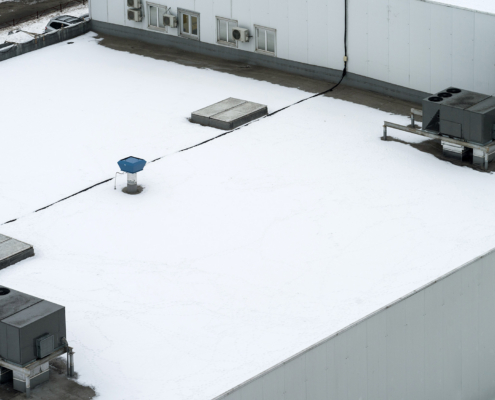
Commercial HVAC troubleshooting requires a broader perspective due to system size, zoning, and automation. Performance issues in commercial spaces are often related to controls, schedules, or communication gaps rather than mechanical failure. Before calling a vendor, it’s helpful to narrow down the scope of the problem.
Start by determining whether the issue is isolated or widespread. If only one area is affected, the problem may be related to a single zone or thermostat. If multiple zones are impacted, the issue could involve a rooftop unit or centralized control system.
Check Scheduling, Controls, and Access
Many commercial HVAC issues stem from scheduling or control changes. Overrides, holiday schedules, or recent adjustments can unintentionally prevent the system from operating as expected. In some cases, a thermostat won’t connect to AC because of a control or communication issue rather than a mechanical failure.
Confirm that rooftop unit access panels are secure and that no controls have been disabled. These checks don’t involve technical repairs but can quickly eliminate common operational issues.
Identify the Scope of the Problem
Understanding whether the issue affects one zone or the entire building helps determine next steps. Zoned HVAC systems behave differently than residential systems, and uneven temperatures don’t always indicate equipment failure. This information is also valuable when communicating with a technician or facilities team.
Review Maintenance Logs and Recent Changes
Maintenance history plays a major role in commercial HVAC troubleshooting. Missed filter changes, deferred inspections, or recent construction can all impact system performance. Reviewing logs may reveal patterns or recent changes that explain current issues and prevent unnecessary service calls.
These HVAC tips for commercial buildings are designed to narrow down the problem safely, not resolve complex mechanical or electrical issues without professional support.
When NOT to DIY HVAC Troubleshooting
DIY HVAC troubleshooting has clear limits, and crossing them can create safety risks or cause additional damage. Electrical components, refrigerant handling, and gas systems should always be serviced by licensed professionals with proper training and equipment.
Certain warning signs indicate that troubleshooting should stop immediately:
- Burning smells, sparks, or electrical buzzing that suggest wiring or electrical failure
- Constant short-cycling, where the system turns on and off repeatedly throughout the day
- Refrigerant leaks or loud compressor noises, which can worsen with continued operation
- Frequent breaker trips or system resets, signaling underlying electrical or mechanical problems
Repeated resets or temporary fixes may restore operation briefly, but they rarely solve the root cause. When these signs appear, professional diagnosis is the safest and most cost-effective next step.
How to Prevent HVAC Problems Before They Start
Preventive maintenance significantly reduces the need for HVAC troubleshooting. Most system failures develop over time and show warning signs well before a breakdown occurs. Consistent habits can extend equipment life and improve reliability for both homes and businesses.
Key preventive practices include:
- Monthly filter checks and air filter replacement to maintain airflow and efficiency
- Annual professional inspections to ensure heating and cooling components operate safely
- Smart thermostats and automation, which help catch issues early and maintain consistency
- Basic HVAC education for family members or staff, encouraging early reporting of issues
These steps reduce unexpected downtime and help systems perform as intended year-round.
A Breakdown of Common HVAC Troubleshooting Scenarios
Many people experience the same HVAC system issues and wonder whether they’re fixable without professional help. Systems that won’t turn on are often related to power supply, thermostat settings, or safety shutoffs rather than equipment failure. Checking breakers, batteries, and control settings usually answers that question quickly.
If an AC is running but not cooling, airflow restrictions are frequently the cause. Dirty filters or blocked vents often explain why air is moving but temperatures aren’t changing. This is one of the clearest examples of how HVAC troubleshooting can resolve an issue without tools or technical expertise.
Heating problems follow similar patterns. Before assuming a furnace failure, confirm thermostat mode, airflow, and power supply. These basic checks answer many “what should I check first” concerns without requiring a service call.
Commercial environments add complexity, but the principles remain the same. Identifying scope, reviewing controls, and understanding system behavior help determine whether the issue is operational or mechanical. Regular maintenance frequency varies by system type and usage, but consistent attention always reduces the need for emergency troubleshooting.
Know When to Call—and Who to Call
HVAC troubleshooting is a smart first step, but it isn’t a substitute for professional repair when deeper issues are present. If your system continues to struggle, shows signs of electrical or mechanical failure, or requires repeated resets, it’s time to involve a licensed technician.
SAM Mechanical Services provides reliable residential and commercial HVAC repair backed by experienced professionals who diagnose problems at the source. When DIY checks aren’t enough, our team is ready to restore comfort with safe, lasting solutions.
https://sammechanical.com/wp-content/uploads/2026/04/Overcoming-Winter-HVAC-Issues-The-Impact-of-Snow-and-Ice-on-Your-HVAC-System.jpg
1250
2000
AbstraktMarketing
/wp-content/uploads/2024/01/sam-logo-crete-300x154.png
AbstraktMarketing2026-04-02 12:54:472026-04-02 12:54:49Overcoming Winter HVAC Issues: The Impact of Snow and Ice on Your HVAC System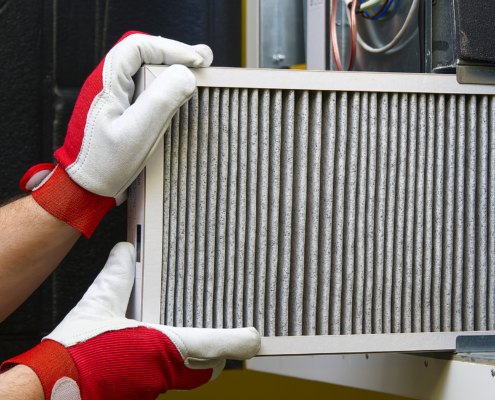 https://sammechanical.com/wp-content/uploads/2026/03/5-Signs-Its-Time-for-an-HVAC-Filter-Replacement-Before-It-Costs-You.jpg
1250
2000
AbstraktMarketing
/wp-content/uploads/2024/01/sam-logo-crete-300x154.png
AbstraktMarketing2026-03-24 21:38:542026-03-24 21:38:565 Signs It’s Time for an HVAC Filter Replacement Before It Costs You
https://sammechanical.com/wp-content/uploads/2026/03/5-Signs-Its-Time-for-an-HVAC-Filter-Replacement-Before-It-Costs-You.jpg
1250
2000
AbstraktMarketing
/wp-content/uploads/2024/01/sam-logo-crete-300x154.png
AbstraktMarketing2026-03-24 21:38:542026-03-24 21:38:565 Signs It’s Time for an HVAC Filter Replacement Before It Costs You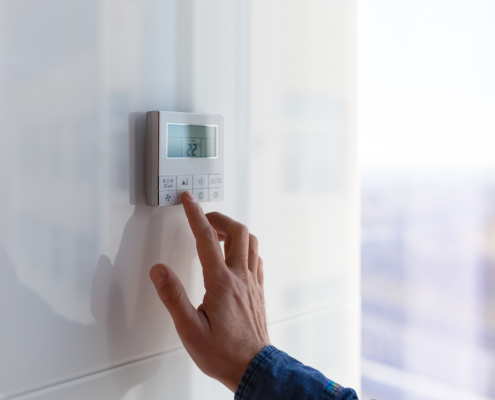 https://sammechanical.com/wp-content/uploads/2026/01/The-air-conditioning-and-heating-control-panel-for-the-apartment-and-office.jpg
1250
2000
AbstraktMarketing
/wp-content/uploads/2024/01/sam-logo-crete-300x154.png
AbstraktMarketing2026-01-14 12:41:452026-01-14 12:41:49How Thermostat Placement Affects Home Comfort and Energy Bills
https://sammechanical.com/wp-content/uploads/2026/01/The-air-conditioning-and-heating-control-panel-for-the-apartment-and-office.jpg
1250
2000
AbstraktMarketing
/wp-content/uploads/2024/01/sam-logo-crete-300x154.png
AbstraktMarketing2026-01-14 12:41:452026-01-14 12:41:49How Thermostat Placement Affects Home Comfort and Energy Bills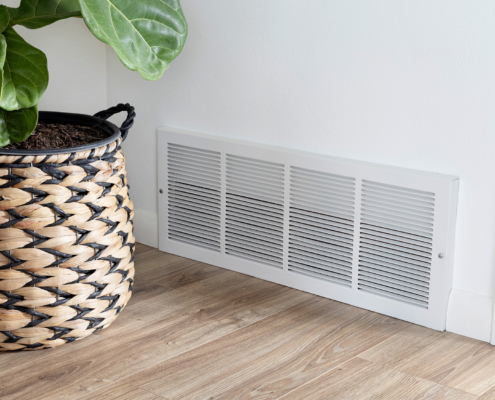 https://sammechanical.com/wp-content/uploads/2026/01/Return-air-grille-placed-near-the-floor.jpg
1250
2000
AbstraktMarketing
/wp-content/uploads/2024/01/sam-logo-crete-300x154.png
AbstraktMarketing2026-01-14 12:36:142026-01-14 12:40:09Ensuring the Best HVAC System for Your Home: Modern Builds vs. Older Residencies
https://sammechanical.com/wp-content/uploads/2026/01/Return-air-grille-placed-near-the-floor.jpg
1250
2000
AbstraktMarketing
/wp-content/uploads/2024/01/sam-logo-crete-300x154.png
AbstraktMarketing2026-01-14 12:36:142026-01-14 12:40:09Ensuring the Best HVAC System for Your Home: Modern Builds vs. Older Residencies https://sammechanical.com/wp-content/uploads/2026/01/Young-woman-in-long-winter-beige-sweater-is-posing-at-home.jpg
1250
2000
AbstraktMarketing
/wp-content/uploads/2024/01/sam-logo-crete-300x154.png
AbstraktMarketing2026-01-14 12:35:092026-03-09 12:10:09The Hidden Costs of Ignoring Heating System Maintenance Until Winter Hits
https://sammechanical.com/wp-content/uploads/2026/01/Young-woman-in-long-winter-beige-sweater-is-posing-at-home.jpg
1250
2000
AbstraktMarketing
/wp-content/uploads/2024/01/sam-logo-crete-300x154.png
AbstraktMarketing2026-01-14 12:35:092026-03-09 12:10:09The Hidden Costs of Ignoring Heating System Maintenance Until Winter Hits https://sammechanical.com/wp-content/uploads/2025/11/Technician-is-checking-air-conditioner-measuring-equipment-for-filling-air-conditioners.jpg
1250
2000
AbstraktMarketing
/wp-content/uploads/2024/01/sam-logo-crete-300x154.png
AbstraktMarketing2025-11-07 08:59:002025-11-07 08:59:04What’s Included in a Professional Home HVAC Maintenance Visit?
https://sammechanical.com/wp-content/uploads/2025/11/Technician-is-checking-air-conditioner-measuring-equipment-for-filling-air-conditioners.jpg
1250
2000
AbstraktMarketing
/wp-content/uploads/2024/01/sam-logo-crete-300x154.png
AbstraktMarketing2025-11-07 08:59:002025-11-07 08:59:04What’s Included in a Professional Home HVAC Maintenance Visit? https://sammechanical.com/wp-content/uploads/2025/11/Legs-of-a-woman-in-white-socks-walking-on-the-wooden-floor-of-her-house.jpg
1250
2000
AbstraktMarketing
/wp-content/uploads/2024/01/sam-logo-crete-300x154.png
AbstraktMarketing2025-11-07 08:57:092026-01-14 12:42:31Drafts, Cold Floors, and Uneven Heat: Diagnosing Common Home Heating Problems
https://sammechanical.com/wp-content/uploads/2025/11/Legs-of-a-woman-in-white-socks-walking-on-the-wooden-floor-of-her-house.jpg
1250
2000
AbstraktMarketing
/wp-content/uploads/2024/01/sam-logo-crete-300x154.png
AbstraktMarketing2025-11-07 08:57:092026-01-14 12:42:31Drafts, Cold Floors, and Uneven Heat: Diagnosing Common Home Heating Problems https://sammechanical.com/wp-content/uploads/2025/11/Young-woman-in-long-winter-beige-sweater-is-posing-at-home-near-the-radiator.jpg
1250
2000
AbstraktMarketing
/wp-content/uploads/2024/01/sam-logo-crete-300x154.png
AbstraktMarketing2025-11-07 08:54:132025-11-07 08:54:17How to Improve Your Home’s Heating Efficiency This Winter
https://sammechanical.com/wp-content/uploads/2025/11/Young-woman-in-long-winter-beige-sweater-is-posing-at-home-near-the-radiator.jpg
1250
2000
AbstraktMarketing
/wp-content/uploads/2024/01/sam-logo-crete-300x154.png
AbstraktMarketing2025-11-07 08:54:132025-11-07 08:54:17How to Improve Your Home’s Heating Efficiency This Winter https://sammechanical.com/wp-content/uploads/2025/09/HVAC-Warning-Signs-Your-Heating-System-Could-Fail-Before-Winter.jpg
1250
2000
AbstraktMarketing
/wp-content/uploads/2024/01/sam-logo-crete-300x154.png
AbstraktMarketing2025-09-25 15:56:492025-11-07 08:57:56HVAC Warning Signs Your Heating System Could Fail Before Winter
https://sammechanical.com/wp-content/uploads/2025/09/HVAC-Warning-Signs-Your-Heating-System-Could-Fail-Before-Winter.jpg
1250
2000
AbstraktMarketing
/wp-content/uploads/2024/01/sam-logo-crete-300x154.png
AbstraktMarketing2025-09-25 15:56:492025-11-07 08:57:56HVAC Warning Signs Your Heating System Could Fail Before Winter
