
 https://sammechanical.com/wp-content/uploads/2025/02/Ventilation-and-air-conditioning-system-on-the-roof-birds-eye-view.jpg
1250
2000
AbstraktMarketing
/wp-content/uploads/2024/01/sam-logo-crete-300x154.png
AbstraktMarketing2025-02-10 09:26:022026-04-20 15:31:31Why Regular Heating System Maintenance Is Critical for Commercial Operations
https://sammechanical.com/wp-content/uploads/2025/02/Ventilation-and-air-conditioning-system-on-the-roof-birds-eye-view.jpg
1250
2000
AbstraktMarketing
/wp-content/uploads/2024/01/sam-logo-crete-300x154.png
AbstraktMarketing2025-02-10 09:26:022026-04-20 15:31:31Why Regular Heating System Maintenance Is Critical for Commercial OperationsWhy Every Commercial Building Needs an Emergency Heating Plan
Heating failures in commercial spaces aren’t just inconvenient, they’re operational risks. A lack of heat can disrupt business continuity, threaten employee and tenant safety, and create compliance issues in regulated industries.
Without a documented emergency heating repair protocol, facilities often scramble to troubleshoot, contact vendors, and make reactive decisions under pressure. This delay can lead to:
- Frozen plumbing systems
- Damaged inventory or equipment
- Tenant dissatisfaction or legal disputes
- Lost productivity
- Increased repair costs due to escalation
Commercial buildings face higher stakes than residential properties. A structured response plan ensures that HVAC system issues are handled quickly and consistently.
Step 1: Immediate Actions When the Heat Goes Out
When the heat fails, time matters. The first 15–30 minutes should focus on confirmation and system checks.
Confirm Thermostat and System Settings
Verify that thermostats are set correctly and have not been adjusted accidentally. Ensure systems are switched to heating mode and programmed schedules are active.
Check Breakers and Building Controls
Inspect electrical panels, building automation systems, and breakers for tripped circuits. In some cases, a reset may restore operation temporarily.
Determine Full-Building vs. Zone Failure
Is the outage affecting the entire building or a specific zone? Zoned failures may point to localized HVAC system issues, such as a faulty damper, control board, or zone valve.
Contact an HVAC Emergency Provider
If troubleshooting does not restore heat immediately, initiate emergency heating repair by contacting your commercial HVAC partner. Delaying service can increase the risk of frozen pipes and system damage.
Step 2: Protect the Building From Secondary Damage
Once a heating outage is confirmed, protecting the building becomes the top priority.
Prevent Frozen Pipes
Water lines in unheated spaces can freeze quickly in commercial buildings. To prevent frozen pipes, maintain interior temperatures above 55°F when possible, open cabinet doors in vulnerable areas, and shut off water to exposed sections if necessary.
Protect Sensitive Equipment
In healthcare facilities, data centers, or industrial environments, temperature drops can damage equipment or compromise compliance. Identify temperature-sensitive zones and implement temporary mitigation strategies immediately.
Close Off Unused Areas
If certain areas are unoccupied, close doors to retain heat in critical operational zones. This reduces energy loss and helps stabilize temperatures.
Monitor Interior Temperatures
Use portable thermometers or building automation systems to track internal temperatures throughout the outage. Documentation is important for insurance and liability purposes.
Step 3: Communicate With Tenants and Staff
Clear communication reduces confusion and liability exposure.
Transparency Reduces Panic
Inform tenants, employees, or residents of the issue and expected repair timeline. Even during emergency heating repair, proactive updates build trust.
Temporary Relocation Decisions
In extreme cases, relocating employees or pausing operations may be necessary. Having predefined contingency spaces prevents rushed decision-making.
Documentation for Liability Protection
Document communications, temperature readings, and service calls. Proper documentation protects the facility from potential claims related to discomfort or damage.
When your building’s heat goes out, trust SAM Mechanical Services’ commercial heating experts to deliver fast, reliable emergency support and long-term solutions.
Step 4: Temporary Heating Solutions
Temporary heating must be handled carefully to avoid fire hazards or code violations.
Portable Commercial Heaters
Commercial-grade heaters may provide short-term relief. Always follow manufacturer guidelines and ensure adequate ventilation.
Generator Considerations
If the outage is electrical in nature, generators may temporarily power heating components. Confirm load capacity before connection.
Safety and Code Compliance
Improper temporary heating solutions can create fire risks or carbon monoxide exposure. Compliance with local safety codes is critical during emergency heating repair scenarios.
Step 5: Working With an Emergency Heating Repair Provider
A prepared facility speeds up the repair process.
What Information to Have Ready
- Type and age of heating equipment
- Recent commercial boiler maintenance history
- Description of symptoms
- Temperature readings
- Building layout or zone maps
Providing this information allows technicians to diagnose problems faster and complete emergency heating repair more efficiently.
What Technicians Need Upon Arrival
Clear access to mechanical rooms, roof access, and electrical panels reduces delays. Ensure facility representatives are available to answer questions.
After-Hours Response Expectations
Commercial emergency providers typically offer 24/7 response. Clarify arrival windows, parts availability, and expected repair timelines.
How to Create a Commercial Emergency Heating Repair Plan
Preparation before winter dramatically reduces risk.
Vendor Contact Sheet
Maintain updated contact information for HVAC contractors, electricians, plumbers, and emergency service providers.
Equipment Inventory
Document equipment type, serial numbers, fuel sources, and control systems for all heating assets.
Maintenance Records
Keep records of inspections, repairs, and commercial boiler maintenance visits. These help identify recurring issues.
Winter Readiness Checklist
Develop a seasonal checklist that includes inspections, thermostat calibration, sensor testing, and freeze protection measures.
A formal emergency heating repair plan should be reviewed annually before winter begins.
Preventing Future Emergencies
While emergency response planning is critical, prevention remains the most cost-effective strategy.
Pre-Winter Inspections
Professional inspections identify worn components, ignition issues, airflow restrictions, and other early warning signs before freezing temperatures arrive.
Seasonal Maintenance Scheduling
Routine maintenance reduces the likelihood of unexpected HVAC system issues during peak demand months.
System Age Evaluation
Heating systems older than 15–20 years are more prone to failure. Budget planning for replacement reduces reliance on repeated emergency heating repair calls.
Redundancy Planning
Large commercial facilities may consider backup systems or redundant boilers to maintain minimal heating during outages.
Preventative planning protects operations, tenants, and infrastructure.
Protect Your Commercial Facility With a Structured Emergency Plan From SAM Mechanical
When heat fails in a commercial building, the impact goes far beyond comfort, creating risks like frozen pipes, equipment damage, and operational shutdowns. That’s why a structured emergency heating repair plan, developed with experts like SAM Mechanical Services, is essential.
With clear response protocols and preventative strategies in place, facilities gain control during winter outages. Partnering with SAM ensures your building is supported by professionals who understand operational risk and help you stay prepared before emergencies happen.
https://sammechanical.com/wp-content/uploads/2025/02/Ventilation-and-air-conditioning-system-on-the-roof-birds-eye-view.jpg
1250
2000
AbstraktMarketing
/wp-content/uploads/2024/01/sam-logo-crete-300x154.png
AbstraktMarketing2025-02-10 09:26:022026-04-20 15:31:31Why Regular Heating System Maintenance Is Critical for Commercial Operations https://sammechanical.com/wp-content/uploads/2024/02/Side-view-of-thermostat.jpg
1250
2000
AbstraktMarketing
/wp-content/uploads/2024/01/sam-logo-crete-300x154.png
AbstraktMarketing2024-02-20 13:29:302025-01-07 15:57:41How to Reduce Heating Costs in Large Commercial Spaces
https://sammechanical.com/wp-content/uploads/2024/02/Side-view-of-thermostat.jpg
1250
2000
AbstraktMarketing
/wp-content/uploads/2024/01/sam-logo-crete-300x154.png
AbstraktMarketing2024-02-20 13:29:302025-01-07 15:57:41How to Reduce Heating Costs in Large Commercial Spaces https://sammechanical.com/wp-content/uploads/2024/02/Technician-Looking-Over-A-Gas-Furnace.jpg
1250
2000
AbstraktMarketing
/wp-content/uploads/2024/01/sam-logo-crete-300x154.png
AbstraktMarketing2024-02-16 10:11:542025-04-18 10:32:19The Role of Commercial Heating Maintenance in Extending the Lifespan of Your Equipment
https://sammechanical.com/wp-content/uploads/2024/02/Technician-Looking-Over-A-Gas-Furnace.jpg
1250
2000
AbstraktMarketing
/wp-content/uploads/2024/01/sam-logo-crete-300x154.png
AbstraktMarketing2024-02-16 10:11:542025-04-18 10:32:19The Role of Commercial Heating Maintenance in Extending the Lifespan of Your Equipment https://sammechanical.com/wp-content/uploads/2024/02/Side-view-of-commercial-HVAC-units-on-a-rooftop.jpg
1250
2000
AbstraktMarketing
/wp-content/uploads/2024/01/sam-logo-crete-300x154.png
AbstraktMarketing2024-02-02 09:22:482025-01-07 15:57:41Troubleshooting Commercial HVAC Systems
https://sammechanical.com/wp-content/uploads/2024/02/Side-view-of-commercial-HVAC-units-on-a-rooftop.jpg
1250
2000
AbstraktMarketing
/wp-content/uploads/2024/01/sam-logo-crete-300x154.png
AbstraktMarketing2024-02-02 09:22:482025-01-07 15:57:41Troubleshooting Commercial HVAC Systems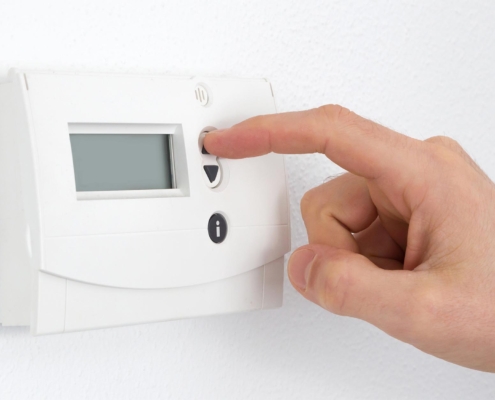 https://sammechanical.com/wp-content/uploads/2024/02/Side-view-of-a-thermostat-being-adjusted.jpg
1250
2000
AbstraktMarketing
/wp-content/uploads/2024/01/sam-logo-crete-300x154.png
AbstraktMarketing2024-02-02 08:35:042025-01-07 15:57:42HVAC Tips for Winter: A Comprehensive Guide
https://sammechanical.com/wp-content/uploads/2024/02/Side-view-of-a-thermostat-being-adjusted.jpg
1250
2000
AbstraktMarketing
/wp-content/uploads/2024/01/sam-logo-crete-300x154.png
AbstraktMarketing2024-02-02 08:35:042025-01-07 15:57:42HVAC Tips for Winter: A Comprehensive Guide
