
 https://sammechanical.com/wp-content/uploads/2026/04/Workers-in-hospital-corridor.jpg
1250
2000
AbstraktMarketing
/wp-content/uploads/2024/01/sam-logo-crete-300x154.png
AbstraktMarketing2026-04-20 15:30:272026-04-20 15:30:30How to Plan for Hospital HVAC System Downtime in Healthcare Facilities
https://sammechanical.com/wp-content/uploads/2026/04/Workers-in-hospital-corridor.jpg
1250
2000
AbstraktMarketing
/wp-content/uploads/2024/01/sam-logo-crete-300x154.png
AbstraktMarketing2026-04-20 15:30:272026-04-20 15:30:30How to Plan for Hospital HVAC System Downtime in Healthcare FacilitiesFor facility managers, property owners, and CFOs, spring inspections are not just maintenance, but risk mitigation.
The Hidden Financial Costs of Skipping Inspections
Delaying a commercial HVAC inspection shifts minor issues into major operational risks. What could have been corrected during preventative HVAC inspections in April often turns into an emergency repair in July.
Emergency Repair Premiums
Emergency service rates during peak cooling season are significantly higher than scheduled service visits. Once temperatures rise, contractors prioritize crisis calls, and pricing reflects demand.
After-Hours Service Rates
Summer failures rarely occur at convenient times. After-hours emergency calls increase labor rates and often require overtime billing.
Peak-Season Labor Shortages
During high-demand months, skilled technicians are fully booked. Waiting until summer to address avoidable issues may result in extended downtime while your facility waits for service availability.
Expedited Parts Shipping
If a failed component requires overnight or rush shipping, costs increase further. A routine commercial HVAC inspection often identifies failing parts early, allowing for standard shipping and planned replacement.
Increased Energy Consumption and Utility Costs
One of the most overlooked consequences of skipping preventative HVAC inspections is rising energy usage.
Dirty Coils and Airflow Restrictions
Without spring cleaning and inspection, condenser and evaporator coils accumulate debris. This reduces heat transfer efficiency and forces systems to run longer to achieve the same cooling output.
Refrigerant Inefficiencies
Low refrigerant levels or small leaks may go unnoticed without a scheduled commercial HVAC inspection. Systems operating outside manufacturer specifications consume more energy and strain compressors.
System Runtime Increase
When components are dirty or miscalibrated, systems cycle longer and more frequently. Increased runtime directly raises utility costs.
Impact on Operating Budgets
Energy overconsumption erodes operating margins. For multi-tenant properties or large office buildings, inefficient cooling during summer can significantly impact monthly utility allocations.
Facility managers advocating for inspections can frame this as protecting investments in energy efficient HVAC systems for commercial buildings.
Operational Disruption and Tenant Risk
Beyond financial strain, skipping spring inspections creates operational vulnerability.
Summer Breakdowns During Peak Occupancy
Cooling failures in July or August impact comfort during the busiest periods of the year. Offices, retail stores, healthcare facilities, and warehouses all face heightened occupancy during warm months.
Productivity Losses
Uncomfortable working environments reduce employee productivity. In temperature-sensitive environments, heat-related shutdowns may halt operations entirely.
Lease Risk and Tenant Dissatisfaction
For property managers, repeated HVAC failures undermine tenant confidence. Commercial leases often require landlords to maintain functional climate control systems. Delayed commercial HVAC inspection services can translate into tenant complaints, concessions, or turnover.
Accelerated Equipment Wear and Shortened Lifespan
Minor issues left unchecked compound damage across the system.
Compressor Strain
Compressors are among the most expensive components in rooftop units. Running systems with dirty coils or incorrect refrigerant levels places continuous stress on compressors, increasing failure risk.
Overheating Components
Blocked airflow and electrical imbalances create overheating conditions that degrade wiring, motors, and capacitors.
Deferred Maintenance Compounding Damage
Each missed commercial HVAC inspection compounds mechanical stress. What begins as a minor calibration issue can evolve into multi-component failure.
Over time, deferred maintenance shortens system lifespan, accelerating capital replacement timelines and straining long-term budgets.
Warranty and Compliance Risks
Many facility leaders overlook the compliance implications of skipping inspections.
Manufacturer Requirements
Most HVAC manufacturers require documented preventative HVAC inspections to maintain warranty coverage. Skipping seasonal service may void equipment warranties.
Insurance Considerations
Insurance providers may request maintenance documentation when evaluating claims tied to equipment failure. Lack of records can complicate or delay coverage decisions.
Maintenance Documentation Importance
A structured spring commercial HVAC maintenance plan provides proof of compliance, system care, and responsible asset management.
For facility managers presenting to ownership or finance teams, this documentation strengthens the case for preventative investment.
Book your spring commercial HVAC inspection with SAM Mechanical Services to reduce summer risks, control energy costs, and protect your facility before peak demand hits.
Spring Inspection vs. Emergency Repair: Cost Comparison
Understanding the financial contrast between proactive maintenance and reactive repair is critical for budget planning. When evaluating whether to approve a spring commercial HVAC inspection, it helps to look at what typically happens in both scenarios.
Consider a common comparison:
Spring Commercial HVAC Inspection
When inspections are scheduled in advance, costs remain predictable and manageable. Facility leaders can plan for service within their operating budgets, address minor issues early, and avoid disruption during peak cooling season.
- Scheduled visit: predictable service rate
- Coil cleaning and refrigerant adjustment
- Electrical tightening and calibration
- Minor part replacement
- Total cost: controlled and budgeted
Mid-Summer Emergency Repair
In contrast, when systems fail during high-demand months, the response becomes reactive and expensive. What could have been a small spring correction often escalates into a high-cost emergency event with broader operational impact.
- After-hours emergency dispatch
- Expedited part shipping
- Compressor replacement
- Tenant disruption
- Lost productivity
- Higher utility bills leading up to failure
The cost of one emergency event often exceeds multiple years of scheduled commercial HVAC inspection services. When presented this way, inspections become a financial safeguard rather than a discretionary expense.
What a Spring Commercial HVAC Inspection Should Include
Not all inspections are equal. A comprehensive spring commercial HVAC inspection should address both performance and risk.
Rooftop Unit Checks
Technicians inspect fans, belts, motors, dampers, and housing integrity. Rooftop units are especially vulnerable to winter debris and structural wear.
Coil Cleaning
Removing debris from condenser and evaporator coils restores heat transfer efficiency and reduces system strain.
Electrical Testing
Loose connections, worn contactors, and failing capacitors are identified before peak summer operation.
Refrigerant Level Verification
Proper refrigerant charge ensures optimal cooling capacity and protects compressor health.
Controls Calibration
Thermostats, building automation systems, and zoning controls are tested to ensure accurate operation.
A structured commercial HVAC inspection also includes documentation, reporting, and performance recommendations, allowing facilities to plan strategically rather than reactively.
Why Spring Is the Strategic Window
Spring represents the lowest operational risk period for inspections. Temperatures are moderate, technician availability is higher, and minor issues can be resolved without tenant disruption.
Waiting until summer peak demand eliminates flexibility. By contrast, proactive scheduling supports long-term reliability and positions your facility as strategically managed.
Protect Your Facility Before Summer Strain Begins
Skipping a spring commercial HVAC inspection may save money upfront, but it increases energy costs, operational risk, and emergency repair expenses. A structured commercial HVAC maintenance plan protects equipment lifespan, stabilizes budgets, and prevents costly summer breakdowns, making preventative inspections a strategic investment rather than an optional expense.
SAM Mechanical Services partners with commercial clients to deliver comprehensive spring inspections designed to reduce risk, control costs, and strengthen system performance before peak season. The smartest emergency repair is the one you prevent through preparation.
Schedule your spring commercial HVAC inspection today and enter summer with confidence instead of uncertainty.
https://sammechanical.com/wp-content/uploads/2026/04/Workers-in-hospital-corridor.jpg
1250
2000
AbstraktMarketing
/wp-content/uploads/2024/01/sam-logo-crete-300x154.png
AbstraktMarketing2026-04-20 15:30:272026-04-20 15:30:30How to Plan for Hospital HVAC System Downtime in Healthcare Facilities https://sammechanical.com/wp-content/uploads/2026/04/Winter-Commercial-Rooftop-HVAC-Maintenance.jpg
1250
2000
AbstraktMarketing
/wp-content/uploads/2024/01/sam-logo-crete-300x154.png
AbstraktMarketing2026-04-10 16:01:452026-04-10 16:02:09A Facility Managers Guide to Winter Commercial Rooftop HVAC Unit Maintenance
https://sammechanical.com/wp-content/uploads/2026/04/Winter-Commercial-Rooftop-HVAC-Maintenance.jpg
1250
2000
AbstraktMarketing
/wp-content/uploads/2024/01/sam-logo-crete-300x154.png
AbstraktMarketing2026-04-10 16:01:452026-04-10 16:02:09A Facility Managers Guide to Winter Commercial Rooftop HVAC Unit Maintenance https://sammechanical.com/wp-content/uploads/2026/04/Overcoming-Winter-HVAC-Issues-The-Impact-of-Snow-and-Ice-on-Your-HVAC-System.jpg
1250
2000
AbstraktMarketing
/wp-content/uploads/2024/01/sam-logo-crete-300x154.png
AbstraktMarketing2026-04-02 12:54:472026-04-02 12:54:49Overcoming Winter HVAC Issues: The Impact of Snow and Ice on Your HVAC System
https://sammechanical.com/wp-content/uploads/2026/04/Overcoming-Winter-HVAC-Issues-The-Impact-of-Snow-and-Ice-on-Your-HVAC-System.jpg
1250
2000
AbstraktMarketing
/wp-content/uploads/2024/01/sam-logo-crete-300x154.png
AbstraktMarketing2026-04-02 12:54:472026-04-02 12:54:49Overcoming Winter HVAC Issues: The Impact of Snow and Ice on Your HVAC System https://sammechanical.com/wp-content/uploads/2025/10/The-Hidden-Costs-of-Neglected-Steam-Systems-Steam-Trap-Repair.jpg
1250
2000
AbstraktMarketing
/wp-content/uploads/2024/01/sam-logo-crete-300x154.png
AbstraktMarketing2025-10-27 11:10:442025-10-27 11:10:47The Hidden Costs of Neglected Steam Systems: Steam Trap Repair
https://sammechanical.com/wp-content/uploads/2025/10/The-Hidden-Costs-of-Neglected-Steam-Systems-Steam-Trap-Repair.jpg
1250
2000
AbstraktMarketing
/wp-content/uploads/2024/01/sam-logo-crete-300x154.png
AbstraktMarketing2025-10-27 11:10:442025-10-27 11:10:47The Hidden Costs of Neglected Steam Systems: Steam Trap Repair  https://sammechanical.com/wp-content/uploads/2025/09/HVAC-systems-on-rooftop-in-the-snow.jpg
1250
2000
AbstraktMarketing
/wp-content/uploads/2024/01/sam-logo-crete-300x154.png
AbstraktMarketing2025-09-23 13:59:372025-09-23 13:59:41Winter Is Coming: How to Winterize Your HVAC System
https://sammechanical.com/wp-content/uploads/2025/09/HVAC-systems-on-rooftop-in-the-snow.jpg
1250
2000
AbstraktMarketing
/wp-content/uploads/2024/01/sam-logo-crete-300x154.png
AbstraktMarketing2025-09-23 13:59:372025-09-23 13:59:41Winter Is Coming: How to Winterize Your HVAC System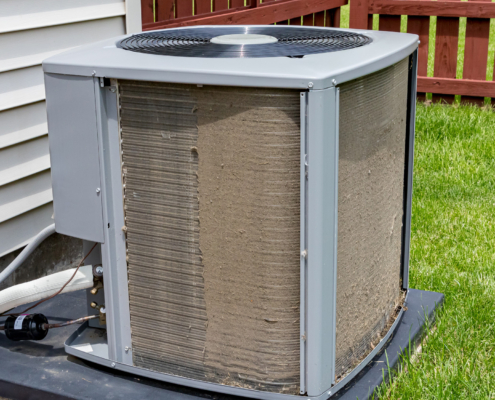 https://sammechanical.com/wp-content/uploads/2025/09/Fall-HVAC-Maintenance-Checklist-Every-Homeowner-Should-Follow.jpg
1250
2000
AbstraktMarketing
/wp-content/uploads/2024/01/sam-logo-crete-300x154.png
AbstraktMarketing2025-09-18 14:46:242025-09-25 15:57:35Fall HVAC Maintenance Checklist Every Homeowner Should Follow
https://sammechanical.com/wp-content/uploads/2025/09/Fall-HVAC-Maintenance-Checklist-Every-Homeowner-Should-Follow.jpg
1250
2000
AbstraktMarketing
/wp-content/uploads/2024/01/sam-logo-crete-300x154.png
AbstraktMarketing2025-09-18 14:46:242025-09-25 15:57:35Fall HVAC Maintenance Checklist Every Homeowner Should Follow https://sammechanical.com/wp-content/uploads/2025/05/DIY-Residential-HVAC-Care-vs.-Hiring-a-Professional-Which-Is-the-Right-Move.jpg
1250
2000
AbstraktMarketing
/wp-content/uploads/2024/01/sam-logo-crete-300x154.png
AbstraktMarketing2025-05-21 09:33:182025-05-21 15:46:19DIY Residential HVAC Care vs. Hiring a Professional: Which Is the Right Move?
https://sammechanical.com/wp-content/uploads/2025/05/DIY-Residential-HVAC-Care-vs.-Hiring-a-Professional-Which-Is-the-Right-Move.jpg
1250
2000
AbstraktMarketing
/wp-content/uploads/2024/01/sam-logo-crete-300x154.png
AbstraktMarketing2025-05-21 09:33:182025-05-21 15:46:19DIY Residential HVAC Care vs. Hiring a Professional: Which Is the Right Move? https://sammechanical.com/wp-content/uploads/2025/02/Worker-inspecting-commercial-HVAC-unit-on-roof.jpg
1250
2000
AbstraktMarketing
/wp-content/uploads/2024/01/sam-logo-crete-300x154.png
AbstraktMarketing2025-02-25 14:34:152025-02-25 14:34:23The Top Commercial HVAC Solutions for New Hampshire Businesses
https://sammechanical.com/wp-content/uploads/2025/02/Worker-inspecting-commercial-HVAC-unit-on-roof.jpg
1250
2000
AbstraktMarketing
/wp-content/uploads/2024/01/sam-logo-crete-300x154.png
AbstraktMarketing2025-02-25 14:34:152025-02-25 14:34:23The Top Commercial HVAC Solutions for New Hampshire Businesses https://sammechanical.com/wp-content/uploads/2024/12/Worker-looking-over-plans-for-HVAC-upgrade.jpg
1250
2000
AbstraktMarketing
/wp-content/uploads/2024/01/sam-logo-crete-300x154.png
AbstraktMarketing2024-12-10 14:41:512025-05-21 15:50:03The Financial Benefits of a Commercial HVAC Upgrade
https://sammechanical.com/wp-content/uploads/2024/12/Worker-looking-over-plans-for-HVAC-upgrade.jpg
1250
2000
AbstraktMarketing
/wp-content/uploads/2024/01/sam-logo-crete-300x154.png
AbstraktMarketing2024-12-10 14:41:512025-05-21 15:50:03The Financial Benefits of a Commercial HVAC Upgrade
