
 https://sammechanical.com/wp-content/uploads/2026/04/Workers-in-hospital-corridor.jpg
1250
2000
AbstraktMarketing
/wp-content/uploads/2024/01/sam-logo-crete-300x154.png
AbstraktMarketing2026-04-20 15:30:272026-04-20 15:30:30How to Plan for Hospital HVAC System Downtime in Healthcare Facilities
https://sammechanical.com/wp-content/uploads/2026/04/Workers-in-hospital-corridor.jpg
1250
2000
AbstraktMarketing
/wp-content/uploads/2024/01/sam-logo-crete-300x154.png
AbstraktMarketing2026-04-20 15:30:272026-04-20 15:30:30How to Plan for Hospital HVAC System Downtime in Healthcare FacilitiesLet’s uncover how winter conditions impact each commercial rooftop HVAC unit, the maintenance tasks that help prevent failures, and the steps facility managers can take to keep systems running reliably all season long.
How Winter Weather Impacts Rooftop HVAC Systems
Rooftop HVAC equipment is exposed to the harshest elements during winter. Unlike ground-level systems, a commercial rooftop HVAC unit must operate in open conditions where snow, ice, and freezing winds can quickly affect performance.
Snow Accumulation Around Units
Heavy snowfall can pile up around rooftop systems, restricting airflow to the unit. When snow drifts surround a commercial rooftop HVAC unit, the equipment may struggle to pull in enough air for proper heat exchange. Reduced airflow forces the system to work harder, increasing energy consumption and potentially shortening equipment lifespan.
Ice Buildup on Coils and Fans
Ice accumulation is another major concern. Ice can form on condenser coils, fan blades, and surrounding components when moisture freezes on contact with cold metal surfaces. This can lead to HVAC freezing, which interferes with airflow and heat transfer. In severe cases, ice can even damage fan blades or restrict their movement entirely.
Wind Chill Affecting System Performance
High winds and extreme cold can reduce system efficiency. A commercial rooftop HVAC unit exposed to strong wind chill may need to run longer to maintain building temperatures, placing additional strain on motors, compressors, and heating components.
Restricted Airflow From Snow Drifts
Snow drifting across rooftops can block air intakes or exhaust outlets. When airflow pathways become obstructed, the system cannot properly ventilate heat, which may lead to overheating components or reduced heating performance inside the building.
Key Rooftop Unit Maintenance Tasks for Winter
Preventative maintenance is essential for keeping a commercial rooftop HVAC unit operating efficiently throughout winter. Facility managers should incorporate routine checks and inspections into their seasonal building maintenance plan.
Regular winter maintenance tasks may include:
- Clearing Snow and Debris: Ensure at least two to three feet of clearance around the unit to maintain proper airflow.
- Inspecting Airflow Pathways: Check that vents, intake openings, and discharge pathways are free from snow, ice, and debris.
- Checking Condensate Drains: Frozen or clogged drains can cause water buildup and ice formation around the system.
- Verifying HVAC Defrost Cycle Operation: Many heat pump systems rely on an HVAC defrost cycle to melt ice that accumulates on outdoor coils. If this function fails, ice buildup can quickly escalate.
- Inspecting Electrical Components: Cold temperatures can stress electrical connections and components. Inspect wiring, controls, and contactors for signs of wear or corrosion.
Routine inspections like these are a key part of commercial HVAC preventative maintenance and can help detect issues before they lead to expensive repairs or system failures.
Learn how your facility can prevent HVAC freezing and keep rooftop units running efficiently all winter.
Common Winter Problems With Rooftop HVAC Units
Even well-maintained equipment can experience issues during extreme weather. Understanding the most common winter problems affecting a commercial rooftop HVAC unit allows facility managers to respond quickly when warning signs appear.
Frozen Coils
Ice accumulation on coils can prevent heat transfer and significantly reduce system efficiency. Frozen coils are often a sign of restricted airflow, refrigerant issues, or a malfunctioning defrost system.
Blocked Exhaust Vents
Exhaust vents may become blocked by snow or ice buildup. When this happens, airflow through the unit is disrupted, which can impact heating performance and potentially trigger safety shutdowns.
Ice Damaging Fan Blades
Fan blades exposed to ice buildup may bend or break during operation. A damaged fan can create vibration issues or reduce airflow through the commercial rooftop HVAC unit, leading to further mechanical problems.
Units Running Continuously in Extreme Cold
When outdoor temperatures drop significantly, HVAC systems may run almost constantly to maintain indoor comfort. Continuous operation increases wear on system components and may signal that the system is struggling with airflow restrictions, ice buildup, or insufficient maintenance.
The Risks of Ignoring Winter Rooftop Maintenance
Failing to maintain rooftop HVAC systems during winter can lead to costly consequences. Because a commercial rooftop HVAC unit is exposed to harsh weather conditions, small issues can quickly escalate when preventative care is neglected.
Some of the biggest risks include:
- Higher Heating Costs: Blocked airflow or frozen components force the system to run longer, increasing energy consumption.
- System Strain and Premature Failure: Overworked components such as motors, compressors, and fans are more likely to break down.
- Emergency Repair Costs: Winter service calls often occur during peak demand periods when HVAC contractors are busiest.
- Tenant Discomfort and Complaints: Heating interruptions in commercial buildings can disrupt operations and impact tenant satisfaction.
Ignoring maintenance can turn what should be a manageable seasonal issue into a major operational problem.
How Facility Managers Can Prepare Rooftop Units Before Winter
The best way to avoid winter HVAC emergencies is to prepare in advance. Facility managers can take several proactive steps to winterize HVAC system components and protect each commercial rooftop HVAC unit before severe weather arrives.
Schedule Seasonal Inspections
Professional inspections ensure the system is operating correctly before winter begins. HVAC technicians can identify early signs of wear, airflow issues, or potential freezing risks.
Establish a Maintenance Schedule
Routine service visits help maintain system efficiency throughout the heating season. Scheduled commercial HVAC preventative maintenance can include coil cleaning, airflow checks, and performance testing.
Plan for Snow Management
Snow removal plans should include rooftop equipment areas. Keeping access pathways clear ensures maintenance teams can reach a commercial rooftop HVAC unit safely after storms.
Monitor System Performance
Facility managers should monitor temperature fluctuations, unusual noises, and system runtime. Early warning signs often indicate developing problems that can be addressed before they become serious failures.
Protect Your Rooftop HVAC Systems This Winter
Winter weather presents unique challenges for commercial HVAC equipment, especially for rooftop systems exposed to snow, ice, and freezing temperatures. By understanding how winter conditions affect each commercial rooftop HVAC unit and implementing proactive maintenance strategies, facility managers can reduce costly repairs, improve system efficiency, and maintain comfortable building environments.
At SAM Mechanical Services, we help facility managers keep their commercial HVAC systems operating reliably throughout the year. Our team provides inspections, seasonal maintenance, and professional support to ensure rooftop HVAC units are prepared for even the harshest winter conditions. If you want to prevent winter breakdowns and extend the life of your equipment, our experts are ready to help keep your building systems running smoothly.
https://sammechanical.com/wp-content/uploads/2026/04/Workers-in-hospital-corridor.jpg
1250
2000
AbstraktMarketing
/wp-content/uploads/2024/01/sam-logo-crete-300x154.png
AbstraktMarketing2026-04-20 15:30:272026-04-20 15:30:30How to Plan for Hospital HVAC System Downtime in Healthcare Facilities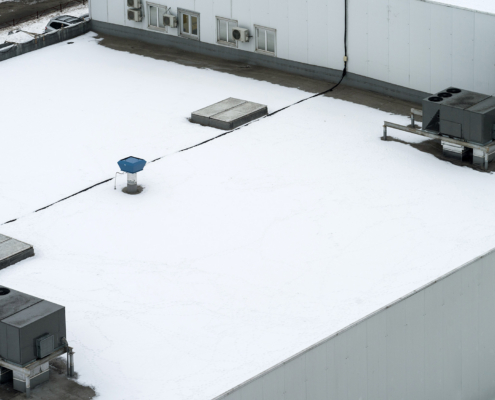 https://sammechanical.com/wp-content/uploads/2026/04/Overcoming-Winter-HVAC-Issues-The-Impact-of-Snow-and-Ice-on-Your-HVAC-System.jpg
1250
2000
AbstraktMarketing
/wp-content/uploads/2024/01/sam-logo-crete-300x154.png
AbstraktMarketing2026-04-02 12:54:472026-04-02 12:54:49Overcoming Winter HVAC Issues: The Impact of Snow and Ice on Your HVAC System
https://sammechanical.com/wp-content/uploads/2026/04/Overcoming-Winter-HVAC-Issues-The-Impact-of-Snow-and-Ice-on-Your-HVAC-System.jpg
1250
2000
AbstraktMarketing
/wp-content/uploads/2024/01/sam-logo-crete-300x154.png
AbstraktMarketing2026-04-02 12:54:472026-04-02 12:54:49Overcoming Winter HVAC Issues: The Impact of Snow and Ice on Your HVAC System https://sammechanical.com/wp-content/uploads/2026/03/The-Hidden-Costs-of-Skipping-Spring-Commercial-HVAC-Inspections.jpg
1250
2000
AbstraktMarketing
/wp-content/uploads/2024/01/sam-logo-crete-300x154.png
AbstraktMarketing2026-03-24 18:58:262026-03-24 18:58:44The Hidden Costs of Skipping Spring Commercial HVAC Inspections
https://sammechanical.com/wp-content/uploads/2026/03/The-Hidden-Costs-of-Skipping-Spring-Commercial-HVAC-Inspections.jpg
1250
2000
AbstraktMarketing
/wp-content/uploads/2024/01/sam-logo-crete-300x154.png
AbstraktMarketing2026-03-24 18:58:262026-03-24 18:58:44The Hidden Costs of Skipping Spring Commercial HVAC Inspections https://sammechanical.com/wp-content/uploads/2025/10/The-Hidden-Costs-of-Neglected-Steam-Systems-Steam-Trap-Repair.jpg
1250
2000
AbstraktMarketing
/wp-content/uploads/2024/01/sam-logo-crete-300x154.png
AbstraktMarketing2025-10-27 11:10:442025-10-27 11:10:47The Hidden Costs of Neglected Steam Systems: Steam Trap Repair
https://sammechanical.com/wp-content/uploads/2025/10/The-Hidden-Costs-of-Neglected-Steam-Systems-Steam-Trap-Repair.jpg
1250
2000
AbstraktMarketing
/wp-content/uploads/2024/01/sam-logo-crete-300x154.png
AbstraktMarketing2025-10-27 11:10:442025-10-27 11:10:47The Hidden Costs of Neglected Steam Systems: Steam Trap Repair  https://sammechanical.com/wp-content/uploads/2025/02/Worker-inspecting-commercial-HVAC-unit-on-roof.jpg
1250
2000
AbstraktMarketing
/wp-content/uploads/2024/01/sam-logo-crete-300x154.png
AbstraktMarketing2025-02-25 14:34:152025-02-25 14:34:23The Top Commercial HVAC Solutions for New Hampshire Businesses
https://sammechanical.com/wp-content/uploads/2025/02/Worker-inspecting-commercial-HVAC-unit-on-roof.jpg
1250
2000
AbstraktMarketing
/wp-content/uploads/2024/01/sam-logo-crete-300x154.png
AbstraktMarketing2025-02-25 14:34:152025-02-25 14:34:23The Top Commercial HVAC Solutions for New Hampshire Businesses https://sammechanical.com/wp-content/uploads/2024/12/Worker-looking-over-plans-for-HVAC-upgrade.jpg
1250
2000
AbstraktMarketing
/wp-content/uploads/2024/01/sam-logo-crete-300x154.png
AbstraktMarketing2024-12-10 14:41:512025-05-21 15:50:03The Financial Benefits of a Commercial HVAC Upgrade
https://sammechanical.com/wp-content/uploads/2024/12/Worker-looking-over-plans-for-HVAC-upgrade.jpg
1250
2000
AbstraktMarketing
/wp-content/uploads/2024/01/sam-logo-crete-300x154.png
AbstraktMarketing2024-12-10 14:41:512025-05-21 15:50:03The Financial Benefits of a Commercial HVAC Upgrade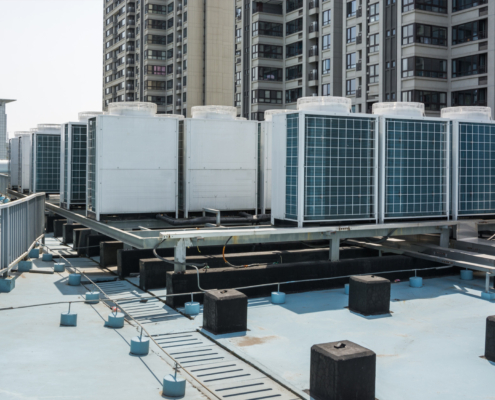 https://sammechanical.com/wp-content/uploads/2024/11/Uncovering-the-Benefits-of-Commercial-HVAC-Retrofits.jpg
1250
2000
AbstraktMarketing
/wp-content/uploads/2024/01/sam-logo-crete-300x154.png
AbstraktMarketing2024-11-25 14:44:182025-01-07 15:57:30Uncovering the Benefits of Commercial HVAC Retrofits
https://sammechanical.com/wp-content/uploads/2024/11/Uncovering-the-Benefits-of-Commercial-HVAC-Retrofits.jpg
1250
2000
AbstraktMarketing
/wp-content/uploads/2024/01/sam-logo-crete-300x154.png
AbstraktMarketing2024-11-25 14:44:182025-01-07 15:57:30Uncovering the Benefits of Commercial HVAC Retrofits https://sammechanical.com/wp-content/uploads/2024/11/The-Importance-of-Regular-HVAC-Filter-Changes-What-Everyone-Should-Know.jpg
1250
2000
AbstraktMarketing
/wp-content/uploads/2024/01/sam-logo-crete-300x154.png
AbstraktMarketing2024-11-21 10:30:182025-02-26 14:08:08The Importance of Regular HVAC Filter Changes: What Everyone Should Know
https://sammechanical.com/wp-content/uploads/2024/11/The-Importance-of-Regular-HVAC-Filter-Changes-What-Everyone-Should-Know.jpg
1250
2000
AbstraktMarketing
/wp-content/uploads/2024/01/sam-logo-crete-300x154.png
AbstraktMarketing2024-11-21 10:30:182025-02-26 14:08:08The Importance of Regular HVAC Filter Changes: What Everyone Should Know https://sammechanical.com/wp-content/uploads/2024/11/Uncovering-the-Innovative-Role-of-Commercial-Smart-Thermostats-1.jpg
1250
2000
AbstraktMarketing
/wp-content/uploads/2024/01/sam-logo-crete-300x154.png
AbstraktMarketing2024-11-21 10:12:142025-04-10 09:10:42Uncovering the Innovative Role of Commercial Smart Thermostats
https://sammechanical.com/wp-content/uploads/2024/11/Uncovering-the-Innovative-Role-of-Commercial-Smart-Thermostats-1.jpg
1250
2000
AbstraktMarketing
/wp-content/uploads/2024/01/sam-logo-crete-300x154.png
AbstraktMarketing2024-11-21 10:12:142025-04-10 09:10:42Uncovering the Innovative Role of Commercial Smart Thermostats
