
 https://sammechanical.com/wp-content/uploads/2026/04/Workers-in-hospital-corridor.jpg
1250
2000
AbstraktMarketing
/wp-content/uploads/2024/01/sam-logo-crete-300x154.png
AbstraktMarketing2026-04-20 15:30:272026-04-20 15:30:30How to Plan for Hospital HVAC System Downtime in Healthcare Facilities
https://sammechanical.com/wp-content/uploads/2026/04/Workers-in-hospital-corridor.jpg
1250
2000
AbstraktMarketing
/wp-content/uploads/2024/01/sam-logo-crete-300x154.png
AbstraktMarketing2026-04-20 15:30:272026-04-20 15:30:30How to Plan for Hospital HVAC System Downtime in Healthcare FacilitiesThe Role of Steam in Commercial Facilities
Steam is an efficient way to move heat. It supports heating coils, sterilization, humidity control, and production needs. When the system is tuned, buildings feel comfortable, processes run on time, and equipment lasts longer. When care slips, waste shows up as heat that never reaches the load, water hammer that shakes the piping, and boilers that cycle more than they should.
How Steam Trap Failures Happen and Why It Matters
A steam trap should pass condensate, vent air, and hold back live steam. Failure takes two common forms. If a trap fails open, live steam escapes, fuel is wasted, and the coil or exchanger may run too hot. If a trap fails closed, condensate pools in the line, heat transfer drops, and water hammer can occur. Dirt, worn seats, incorrect sizing, and poor installation all raise failure risk. Each failure is a quiet leak in your budget. Regular testing and timely steam trap repair keep traps doing their simple, critical job.
Steam Trap Energy Loss
Steam trap energy loss is the most common hidden expense in a steam system. One failed trap can waste thousands of dollars in fuel in a single year. Facilities rarely have just one trap. A hospital, university, or plant may have hundreds. When even a small percentage fail, waste multiplies across the system. The result is higher fuel use, more make‑up water, and longer run time for boilers. An organized testing plan, followed by prompt steam trap repair, puts that money back into your operating budget.
Hidden HVAC Costs from Steam Inefficiencies
Steam often feeds your HVAC coils and humidifiers. When steam quality is poor or traps do not work, coils underperform. Fans run longer to meet setpoints, chillers and boilers fight each other during shoulder seasons, and comfort complaints rise. These are hidden HVAC costs that do not show up as a single line item. You see them in longer equipment run time, more frequent filter changes, stressed bearings, and nuisance alarms. Fix the steam side first, and the air side breathes easier.
Increased Water and Chemical Expenses
Every pound of steam that escapes through a failed trap needs to be replaced with new boiler water. That means more water, more treatment chemicals, and more blowdown. The costs add up over the year and they are easy to miss because they are spread across several budgets. Tightening up losses with targeted steam trap repair reduces water use, cuts chemical spend, and lowers wastewater volume.
The Case for Commercial Steam System Maintenance
Commercial steam system maintenance prevents slow decline. A simple, repeatable program is best. First, map the system so every trap and key valve has a unique ID. Second, test traps with temperature checks, timed observations, and ultrasound. Third, correct piping, insulation, or sizing issues that cause early failure. Finally, track results so you can see the drop in fuel and repair costs over time. These steps protect performance, reduce downtime risk, and support safety compliance.
Real‑World Impact: What Neglect Looks Like
Picture a campus with 300 traps. If only 10 percent fail open, the boilers must make up the lost steam every hour that the system is on. Fuel use rises, water and chemicals follow, and staff spend time chasing hot and cold complaints. In a healthcare building, poor trapping can also affect sterilization turnaround times. In a food plant, a wet steam line can slow production and threaten quality. A focused steam trap repair plan changes this picture. After testing and fixes, the same campus can see lower fuel use, steadier temperatures, and fewer emergency calls.
Safety, Compliance, and Risk You Can Avoid
Steam is safe when controlled, but poor maintenance raises risk. Traps that fail closed can allow condensate to collect, which creates water hammer that stresses pipe supports and gaskets. Leaking valves and faulty PRVs can push pressure or temperature beyond design. Wet steam can also create corrosion inside coils and heat exchangers. A documented maintenance plan, with regular steam trap repair, supports insurance requirements and safety audits, and it keeps your people and equipment out of harm’s way.
Protect your facility’s bottom line with steam trap repair services from SAM Mechanical. With our expert steam trap repair services, you can reduce energy waste and avoid surprise downtime.
How To Spot Problems Early Without Special Tools
You do not need lab gear to notice early warning signs. Listen for banging that suggests condensate is trapped. Look for steam at vent points where only air should leave during start‑up. Watch for coils that take too long to heat or cool. Check for frost or sweating on insulation, since that often marks a leak under the jacket. If you see short‑cycling boilers or frequent low‑water alarms, call it out. These observations guide a technician straight to the root cause so steam trap repair can happen fast.
Budget Planning and Payback: A Practical View
Leaders often ask about cost and payback. The simple answer is that steam saves the most money when it is kept in the system. A survey and repair program usually starts with the worst offenders, which delivers fast results. Many facilities see lower fuel use in the first heating season after repairs. Water and chemical spend follows. You can phase work across quarters to match budgets, document verified savings, and reinvest those dollars into further commercial steam system maintenance. The program then funds itself.
Seasonal Strategy For Better Results
Steam use changes through the year. Before heating season, confirm that traps near air handling units and heat exchangers open and close properly. During peak season, monitor make‑up water, blowdown, and boiler cycle counts so you can catch trends early. In the spring, address insulation gaps that showed up during freeze‑thaw cycles, and plan upgrades while loads are low. A seasonal rhythm keeps the team focused and spreads work evenly.
How SAM Mechanical Diagnoses And Fixes What Others Miss
Some problems hide in plain sight. Mixed pressure zones, flashing condensate, or oversized control valves can make a good trap look bad. SAM Mechanical brings a system view, not just a part view. Our technicians map flows, check differential pressures, and verify that traps have the right type and orientation. We correct root causes, then perform steam trap repair or replacement with quality parts. We also help your team read the system better, so small issues get attention before they turn into large ones.
How to Get Started With Steam Trap Repair and Maintenance
Begin with a walk‑through that documents the location and type of each trap, the served equipment, and the operating pressure. Next, test a representative sample to estimate failure rate and energy loss. Prioritize repairs that return the most savings first, then set a cycle for retesting that aligns with your run hours. Build a simple dashboard that tracks failed traps found, repairs completed, and utility trends. This approach is easy to maintain, it is transparent to leadership, and it delivers predictable results.
The Long‑Term Payoff Of Addressing Steam Issues
Maintenance today creates value for years. Lower fuel use shows up in your utility bills. Reduced cycling extends boiler and pump life. Better heat transfer means less strain on HVAC fans and compressors. Water and chemical use drop. Unplanned downtime falls because traps and valves do not surprise you. These wins stack up, which makes the case for continued investment in commercial steam system maintenance.
Partner With SAM Mechanical Services To Maximize Efficiency
When you want to eliminate hidden losses, choose a partner that treats steam as a system. SAM Mechanical Services brings more than three decades of experience across New England, along with a proven process that finds waste, fixes it, and verifies the results. Our team delivers careful testing, accurate steam trap repair, and improvements that keep steam where it belongs. Contact us today to schedule a steam system evaluation, and turn hidden costs into lasting savings.
https://sammechanical.com/wp-content/uploads/2026/04/Workers-in-hospital-corridor.jpg
1250
2000
AbstraktMarketing
/wp-content/uploads/2024/01/sam-logo-crete-300x154.png
AbstraktMarketing2026-04-20 15:30:272026-04-20 15:30:30How to Plan for Hospital HVAC System Downtime in Healthcare Facilities https://sammechanical.com/wp-content/uploads/2026/04/Winter-Commercial-Rooftop-HVAC-Maintenance.jpg
1250
2000
AbstraktMarketing
/wp-content/uploads/2024/01/sam-logo-crete-300x154.png
AbstraktMarketing2026-04-10 16:01:452026-04-10 16:02:09A Facility Managers Guide to Winter Commercial Rooftop HVAC Unit Maintenance
https://sammechanical.com/wp-content/uploads/2026/04/Winter-Commercial-Rooftop-HVAC-Maintenance.jpg
1250
2000
AbstraktMarketing
/wp-content/uploads/2024/01/sam-logo-crete-300x154.png
AbstraktMarketing2026-04-10 16:01:452026-04-10 16:02:09A Facility Managers Guide to Winter Commercial Rooftop HVAC Unit Maintenance https://sammechanical.com/wp-content/uploads/2026/04/Overcoming-Winter-HVAC-Issues-The-Impact-of-Snow-and-Ice-on-Your-HVAC-System.jpg
1250
2000
AbstraktMarketing
/wp-content/uploads/2024/01/sam-logo-crete-300x154.png
AbstraktMarketing2026-04-02 12:54:472026-04-02 12:54:49Overcoming Winter HVAC Issues: The Impact of Snow and Ice on Your HVAC System
https://sammechanical.com/wp-content/uploads/2026/04/Overcoming-Winter-HVAC-Issues-The-Impact-of-Snow-and-Ice-on-Your-HVAC-System.jpg
1250
2000
AbstraktMarketing
/wp-content/uploads/2024/01/sam-logo-crete-300x154.png
AbstraktMarketing2026-04-02 12:54:472026-04-02 12:54:49Overcoming Winter HVAC Issues: The Impact of Snow and Ice on Your HVAC System https://sammechanical.com/wp-content/uploads/2026/03/The-Hidden-Costs-of-Skipping-Spring-Commercial-HVAC-Inspections.jpg
1250
2000
AbstraktMarketing
/wp-content/uploads/2024/01/sam-logo-crete-300x154.png
AbstraktMarketing2026-03-24 18:58:262026-03-24 18:58:44The Hidden Costs of Skipping Spring Commercial HVAC Inspections
https://sammechanical.com/wp-content/uploads/2026/03/The-Hidden-Costs-of-Skipping-Spring-Commercial-HVAC-Inspections.jpg
1250
2000
AbstraktMarketing
/wp-content/uploads/2024/01/sam-logo-crete-300x154.png
AbstraktMarketing2026-03-24 18:58:262026-03-24 18:58:44The Hidden Costs of Skipping Spring Commercial HVAC Inspections https://sammechanical.com/wp-content/uploads/2025/02/Worker-inspecting-commercial-HVAC-unit-on-roof.jpg
1250
2000
AbstraktMarketing
/wp-content/uploads/2024/01/sam-logo-crete-300x154.png
AbstraktMarketing2025-02-25 14:34:152025-02-25 14:34:23The Top Commercial HVAC Solutions for New Hampshire Businesses
https://sammechanical.com/wp-content/uploads/2025/02/Worker-inspecting-commercial-HVAC-unit-on-roof.jpg
1250
2000
AbstraktMarketing
/wp-content/uploads/2024/01/sam-logo-crete-300x154.png
AbstraktMarketing2025-02-25 14:34:152025-02-25 14:34:23The Top Commercial HVAC Solutions for New Hampshire Businesses https://sammechanical.com/wp-content/uploads/2024/12/Worker-looking-over-plans-for-HVAC-upgrade.jpg
1250
2000
AbstraktMarketing
/wp-content/uploads/2024/01/sam-logo-crete-300x154.png
AbstraktMarketing2024-12-10 14:41:512025-05-21 15:50:03The Financial Benefits of a Commercial HVAC Upgrade
https://sammechanical.com/wp-content/uploads/2024/12/Worker-looking-over-plans-for-HVAC-upgrade.jpg
1250
2000
AbstraktMarketing
/wp-content/uploads/2024/01/sam-logo-crete-300x154.png
AbstraktMarketing2024-12-10 14:41:512025-05-21 15:50:03The Financial Benefits of a Commercial HVAC Upgrade https://sammechanical.com/wp-content/uploads/2024/11/Uncovering-the-Benefits-of-Commercial-HVAC-Retrofits.jpg
1250
2000
AbstraktMarketing
/wp-content/uploads/2024/01/sam-logo-crete-300x154.png
AbstraktMarketing2024-11-25 14:44:182025-01-07 15:57:30Uncovering the Benefits of Commercial HVAC Retrofits
https://sammechanical.com/wp-content/uploads/2024/11/Uncovering-the-Benefits-of-Commercial-HVAC-Retrofits.jpg
1250
2000
AbstraktMarketing
/wp-content/uploads/2024/01/sam-logo-crete-300x154.png
AbstraktMarketing2024-11-25 14:44:182025-01-07 15:57:30Uncovering the Benefits of Commercial HVAC Retrofits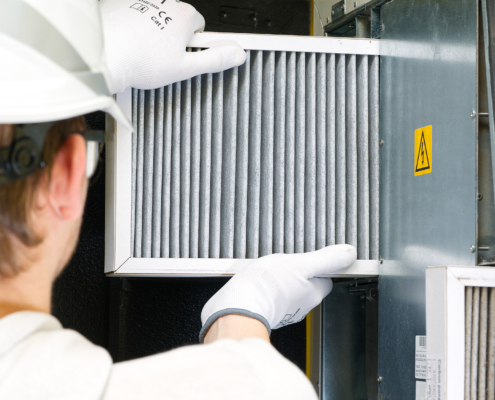 https://sammechanical.com/wp-content/uploads/2024/11/The-Importance-of-Regular-HVAC-Filter-Changes-What-Everyone-Should-Know.jpg
1250
2000
AbstraktMarketing
/wp-content/uploads/2024/01/sam-logo-crete-300x154.png
AbstraktMarketing2024-11-21 10:30:182025-02-26 14:08:08The Importance of Regular HVAC Filter Changes: What Everyone Should Know
https://sammechanical.com/wp-content/uploads/2024/11/The-Importance-of-Regular-HVAC-Filter-Changes-What-Everyone-Should-Know.jpg
1250
2000
AbstraktMarketing
/wp-content/uploads/2024/01/sam-logo-crete-300x154.png
AbstraktMarketing2024-11-21 10:30:182025-02-26 14:08:08The Importance of Regular HVAC Filter Changes: What Everyone Should Know https://sammechanical.com/wp-content/uploads/2024/11/Uncovering-the-Innovative-Role-of-Commercial-Smart-Thermostats-1.jpg
1250
2000
AbstraktMarketing
/wp-content/uploads/2024/01/sam-logo-crete-300x154.png
AbstraktMarketing2024-11-21 10:12:142025-04-10 09:10:42Uncovering the Innovative Role of Commercial Smart Thermostats
https://sammechanical.com/wp-content/uploads/2024/11/Uncovering-the-Innovative-Role-of-Commercial-Smart-Thermostats-1.jpg
1250
2000
AbstraktMarketing
/wp-content/uploads/2024/01/sam-logo-crete-300x154.png
AbstraktMarketing2024-11-21 10:12:142025-04-10 09:10:42Uncovering the Innovative Role of Commercial Smart Thermostats
